


If you’ve ever enjoyed stepping into a cool house after spending time outside on a hot summer’s day, you might have wondered how your air conditioner manages to cool the room so quickly.
It almost feels like it’s creating cold air out of thin air, but that’s not what’s happening at all.
Air conditioning doesn’t create cold air. It removes heat from inside your home and transfers it outside. It’s a clever process that’s surprisingly simple once it’s explained, and understanding how it works can help you get the most from your system.
Whether you’re thinking about installing air conditioning in your bedroom, living room or home office (or even kitting out your whole home!), here’s a look at what’s happening every time you switch it on, and how air conditioning really works behind the scenes.
Air Conditioning Doesn’t Create Cold Air
One of the biggest misconceptions about air conditioning is that it somehow produces cold air. In fact, it’s doing the exact opposite.
Your air conditioner is constantly taking warm air from inside your home, removing the heat from it, and then circulating the cooler air back into the room.
A good way to picture it is by thinking about a bath that’s too full.
You don’t make the bath “less full” by adding something else, you simply remove some of the water. Air conditioning works in much the same way. Rather than creating cold, it’s taking away the unwanted heat that’s already inside your home.
This process happens continuously while the system is running, helping to keep your chosen room at a comfortable temperature, even on the hottest summer days.
It Starts with the Air Already in Your Home
Every air conditioning system has an indoor unit that gently draws warm air from the room and passes this air through a filter.
The filter traps dust, pollen and other airborne particles before the air reaches the cooling components inside the unit. That’s one of the reasons many homeowners notice their rooms feel fresher after installing air conditioning: not only is the temperature lower, but the air itself is cleaner too.
If you suffer from hay fever or allergies during the summer months, this can be an added benefit alongside the cooling element of your system.
The Refrigerant Does the Hard Work
After passing through the filter, the warm air reaches something called the evaporator coil.
Inside this coil is a refrigerant, which is a specially designed fluid that absorbs heat extremely efficiently. As the warm air moves over the coil, the refrigerant draws the heat out of it. The cooled air is then gently blown back into the room, while the refrigerant carries the heat away through insulated pipework.
An easy way to think about it is like a delivery service.
The refrigerant’s job is to collect heat from inside your home, transport it outside, drop it off, and then come back ready to collect more.
This cycle repeats again and again while the air conditioner is running.
What Does the Outdoor Unit Actually Do?
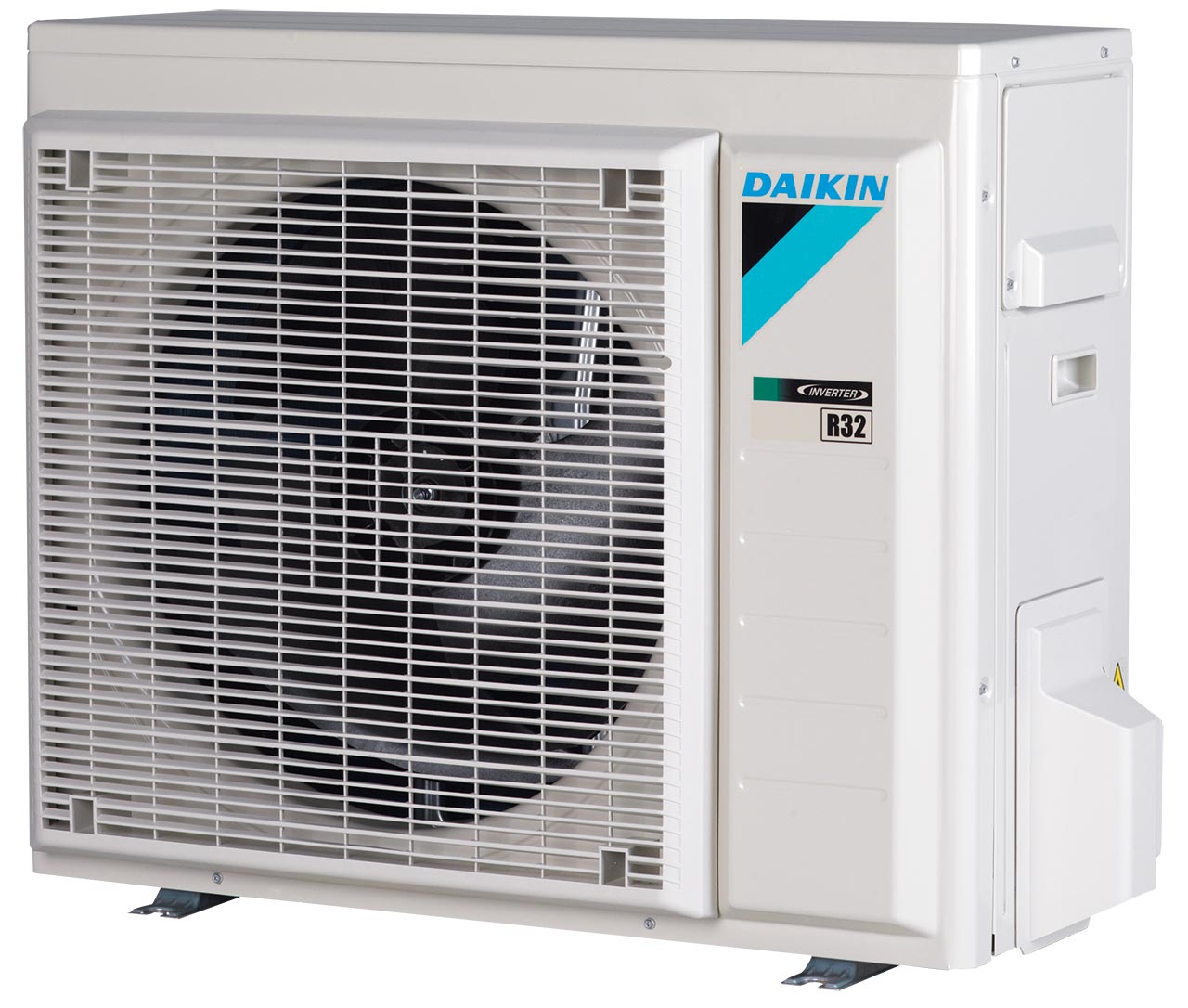
Many homeowners assume the outdoor unit simply powers the indoor one. It’s actually where all the heat from inside your home ends up.
Once the refrigerant reaches the outdoor unit, it passes through a compressor before moving into another coil called the condenser. Here, a fan blows outside air across the coil, allowing the heat to escape into the atmosphere.
If you’ve ever stood next to an outdoor air conditioning unit and noticed warm air blowing from it, you’ve already seen this process in action. That warm air was inside your home just a minute or two earlier!
Once the refrigerant has released the heat, it cools down and travels back inside to repeat the whole process again.
Will My Air Conditioner Keep Cooling Forever?
Modern air conditioning systems are designed to maintain a comfortable temperature rather than making your room colder and colder.
When you set your air conditioner to 21°C, built-in sensors constantly monitor the room temperature. Then, once the room reaches that temperature, the system automatically reduces its output or temporarily pauses parts of the cooling cycle.
As the room naturally begins to warm up again – perhaps because the sun is shining through the windows or more people enter the room – the system gently increases its output to maintain the temperature you’ve selected.
This is one of the reasons modern air conditioning systems are far more energy efficient than many people expect. Rather than running flat out all day, it only works as hard as it needs to.
Air Conditioning Can Heat Your Home Too
One of the biggest surprises for many homeowners is discovering that modern air conditioning isn’t just for summer.
Most modern air con systems also work as highly efficient heaters. Instead of removing heat from inside your home, the refrigeration cycle simply runs in reverse.
The system collects heat from the outside air, even when it feels surprisingly cold, and transfers that heat indoors.
It might sound impossible, but even on a crisp winter morning there’s still enough heat energy in the outside air for modern heat pump technology to use.
This makes air conditioning a popular heating option for:
- Home offices
- Garden rooms
- Bedrooms
- Loft conversions
- Conservatories
These are often rooms that are difficult or expensive to heat using traditional central heating alone.
Why Professional Installation Matters
The technology is clever, but air conditioning only performs well if it’s properly designed and installed.
Choosing the right size system is especially important. A unit that’s too small may struggle to keep the room cool during very hot weather, while a unit that’s too large can cool the room too quickly without removing enough humidity, making the space feel less comfortable than it should.
When choosing the right system, an installer will look at much more than just the room’s floor area. They’ll also consider things like:
- Ceiling height
- Window size
- Which direction the room faces
- Insulation levels
- How much sunshine the room receives
- How the room is used
For example, a south-facing kitchen with large bi-fold doors will usually need a different solution to a spare bedroom that’s only used occasionally.
Getting these details right will make sure your system is efficient, quiet and comfortable all year round.
Why Does Air Conditioning Need Servicing?
Over time, filters become dirty, outdoor units collect leaves and debris, and components naturally wear with age.
Having your system serviced regularly helps to:
- Keep it running efficiently
- Maintain good air quality
- Reduce the risk of unexpected breakdowns
- Extend the lifespan of the system
- Help maintain manufacturer warranties
It’s like having your boiler serviced each year. Regular maintenance helps identify small issues before they become expensive repairs.
Understanding Your Air Conditioner
Your system is constantly removing unwanted heat from inside your home, releasing it outside and circulating cooler, cleaner air back into your living space. At a fundamental level, that’s how air conditioning works.
Whether you’re trying to sleep more comfortably on warm summer nights, keep your home office cool while you’re hard at work, or make your living room a more enjoyable place to relax when the whole family is round, modern air conditioning provides an efficient, reliable way to stay comfortable 24/7.
At ADL Air Conditioning, we install air conditioning systems in homes across Essex, London and the surrounding areas. If you’re considering air conditioning installation in London or Essex for your property, we’re always happy to explain your options, answer any questions and recommend a system that suits your home perfectly.